Disappearing Tempera
Article from Slater Smith
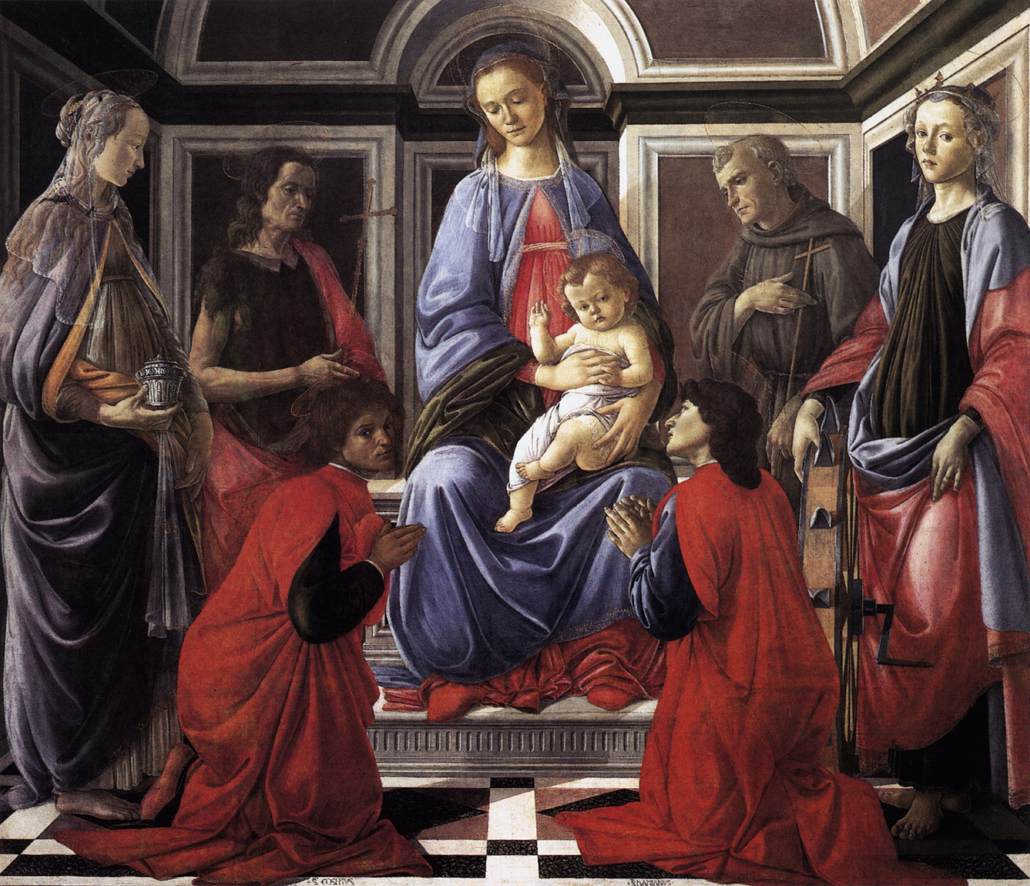
Tempera painting was once the primary way of applying pigment on canvas, its only rival being fresco painting. Every Old Master made tempera from scratch in their workshop, along with the apprentices that gathered to learn what it took to be an artist. Mixing tempera was a very delicate procedure, admitting much room for error. Despite this, tempera reigned during the early Renaissance and for centuries prior, dating back into Egyptian times. With the advent of oil painting, the beautiful medium slowly died out.
Artists had to mix tempera themselves, as needed. The pigments, also ground from raw material, were combined with the binder, egg yolk, and distilled water. It was essential to get the proportions accurate, which slightly varies depending on the pigment. It dried quickly, sometimes on the brush itself, much like common-day acrylics. Too much paint would leave leftovers that could not be stored; only discarded. On the opposite end of the spectrum, not making enough tempera paint, would like lead to color inconsistency, as a second batch rarely matched the first…