Learn How to Draw Whatever You See or Imagine

DrawingAcademy

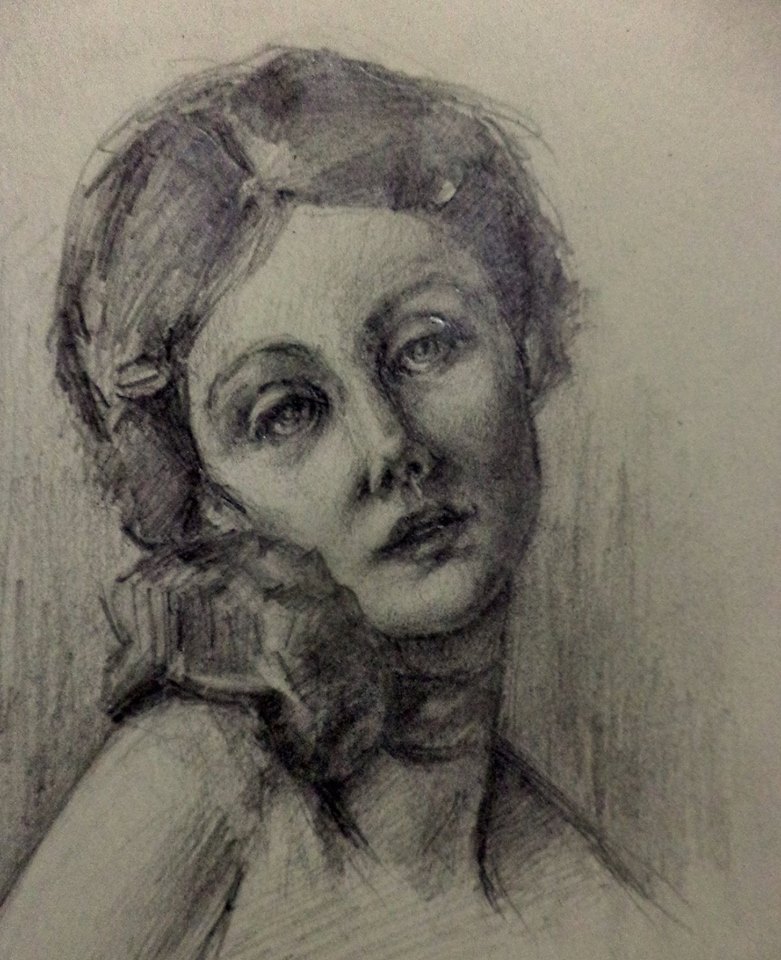
Ray Habyan drawings

Feedback on Ray Habyan’s drawings

Hi Ray,

As promised, I will give you my feedback on your drawings.

First of all, you have a talent and most importantly, you have a passion. It will lead to results you want to achieve. In regard to drawing techniques, there’s always a room for improvement, no matter how great an artists is.

Here’s what I see in your drawings:

1. You need to learn how to draw what you know rather than copy what you see. This is the most important point from the list. This rule applies to every point below.

2. You are very accurate and want artworks to be perfect. Sometimes less is more. You are an artist and therefore have creative license not to draw with precision every part of a face you see on a photo. You can decide what parts you want a viewer to focus on and render other parts with less attention….

Read More

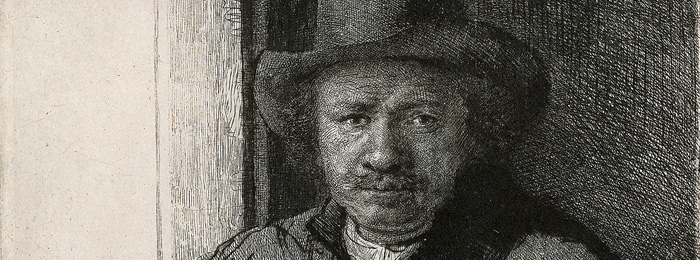
WHAT IS DRAWING? An absolute must have skill.

Article by Ronnie Rayner Larter

Drawing is the expression of form on a plane surface, and although colour can have very expressive qualities, I personally feel a well-executed drawing in charcoal or graphite can have more expressive qualities than a rainbow of pigments.

If you stop and think for a moment, you will find many of the old masters’ drawings used very little colour in their studies and they were often more highly charged emotionally than their paintings. Why? Because of the expressive use of line and shading…

Read More
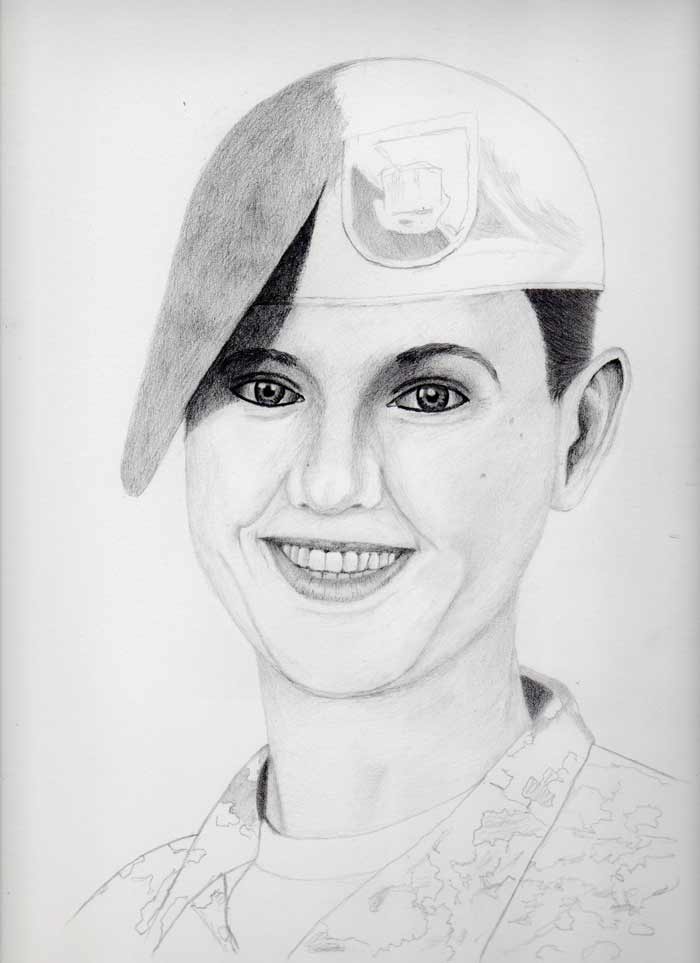
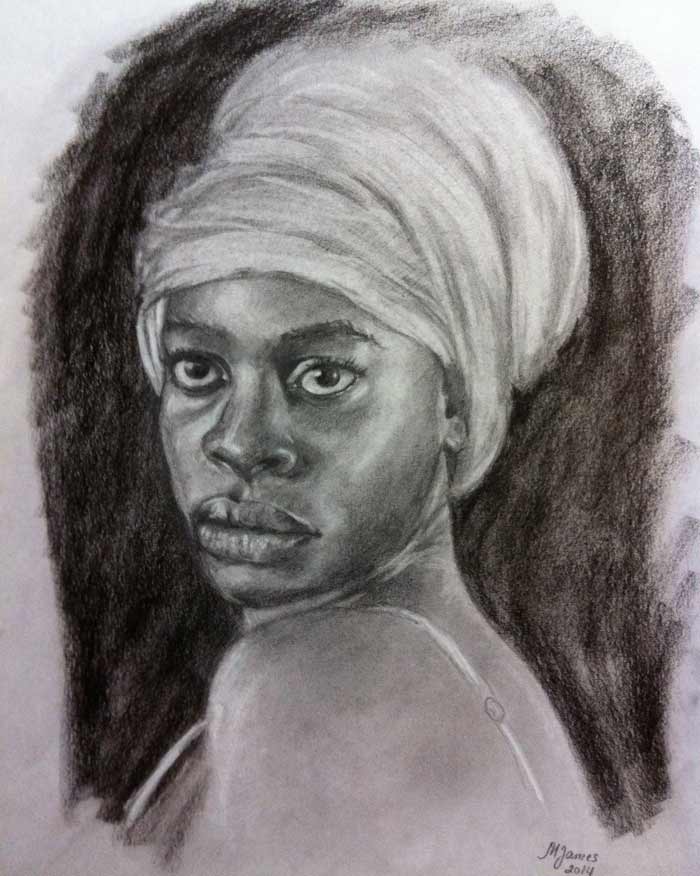
Drawing by Ray Habyan

Question from Ray Habyan

I am currently doing pencil portraits for Gold Star Mothers of their loved ones killed in action in the military. All of my work is done from photos exclusively. I am self taught and have used the 5 pencil method as a learning base. As you have said, this just makes me a copy machine. I really want to put some soul into my drawings, but don’t know how to do this working from a picture. My question is, will you be able to help me achieve this goal by working through your course? …

Read More
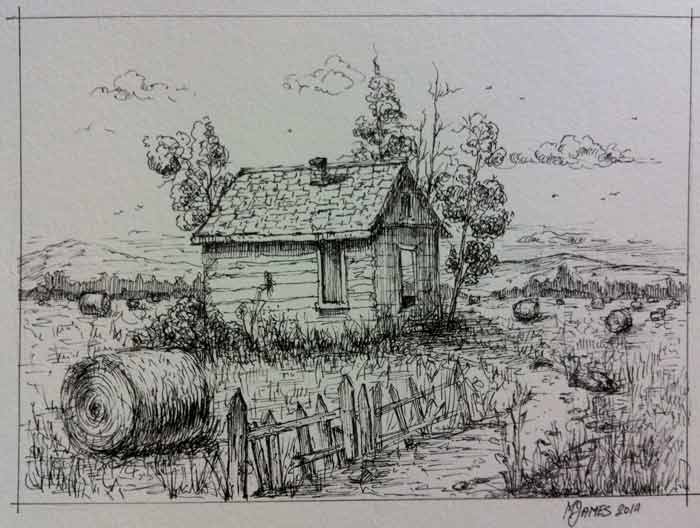
Pen and Ink Drawing by Malvina James

Pen and Ink Drawing by Malvina James

I had some wooden model-hand with missing phalange on a ring finger and lemons. So, I arranged simple still life and tried to draw it in ink.

Malvina James

Read More
drawing-academy

How to draw exactly what I see?

Questions from Łukasz

– How to reduce time of drawing? I think my pictures are never finished.
– How to learn to use right pencils in right way?
– I tend to press too much while I’m drawing and end up with pictures that don’t look natural.
– And the most important question is, how to train my eye to draw exactly what I see?…

Read More
aleksei savrasov

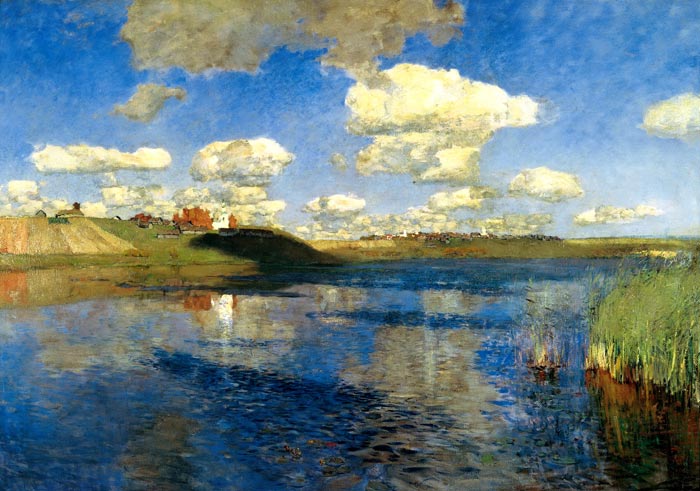
Aleksei Savrasov – Russian landscape painter

Article by Vladimir London, Drawing Academy tutor

Born 12 May 1830 in Moscow, Aleksei Savrasov demonstrated artistic skills early; indeed, he sold his earliest landscape paintings at age twelve! Although his father wanted him to follow in his footsteps and become a merchant, Savrasov entered the Moscow School of Painting and Sculpture in 1844, focusing on landscapes. His father was so opposed to art school that Savrasov quit after only a few weeks, but was encouraged to return by his instructors in 1848. Studying under Rabus, he became the most distinguished landscape student at the academy. After he caught the notice of a notable patron of the arts, Likhachev, he received a scholarship to study in Odessa, where he further developed his landscape technique. The paintings made around this time earned him a certificate of appreciation from the art school,…

Read More

Drawing of a windmill

Drawing by Ronnie Rayner Larter

This drawing is of a windmill a few miles from my home. I completed a few days ago using the hatching technique. To create a sense of restfulness I used horizontal hatching for all buildings, trees and sky, but for the windmill I used cross-hatching, which I felt gave it a sense of solidity.

Read More
Life Drawing Academy
Old Masters Academy
Watercolor Academy
Anatomy Master Class