At the Drawing Academy, we receive questions from our students. One of such questions came from Gerard.
Question by Gerard
Hi Vladimir,
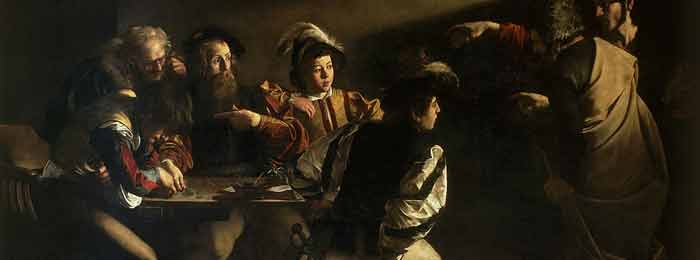
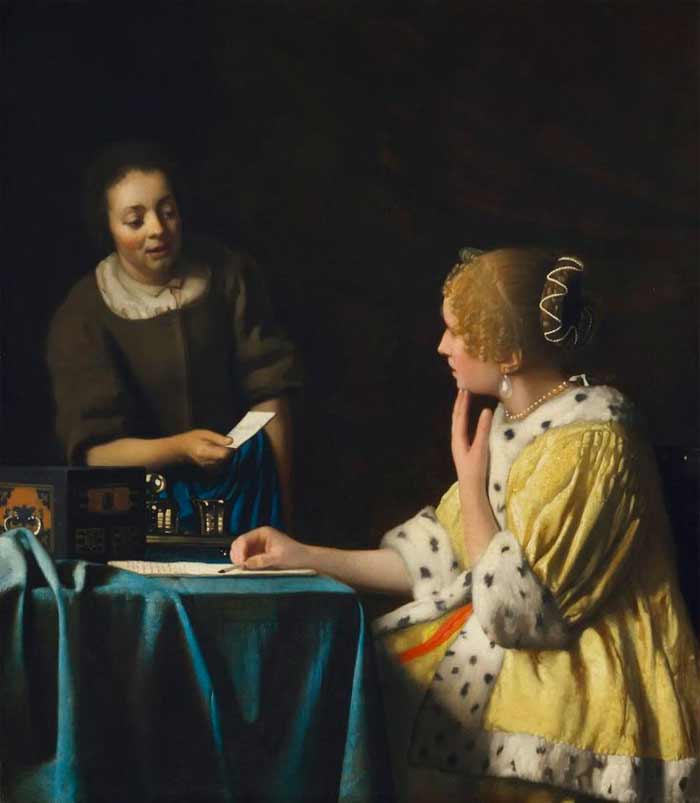
I watched your film about the downsides of utilising photos in our artwork. Indeed I have always been suspicious of this kind of thing for some time. I noted some of the comments bellow this video and there was the odd person who mentioned certain artists here who have been recognised throughout history as some of the greats in painting. Jan van Eyke, and Jan Vermeer come readily to mind. As you must know these artists are famously known for their use of lenses in their works. Surely these guys are genuinely geniuses. Vermeer is known to have traced the outlines of his sitters using the camera obscura. Even Dürer and Da Vinci and others were known to have used optics in their work. Surely it has been pointed out that these artists paintings underwent changes in appearance and style after they made use of such. Caravaggio also was supposed to have used lenses in his highly realistic artworks. I am worried that you are not surely now saying that these painters are not the true greats they have been made out to be throughout art history? And of course there are Degas and other impressionist painters who used photographs. I would be very interested to know of your opinions on these.
Surely it is in human nature to find short cuts to certain effects. To cheat even. To fool the eye. Especially of the less experienced. If they hadn’t done these things their art wouldn’t have stood out from the crowd. Maybe that’s why some other artists of the the time objected to their work especially when it was so new?
Now I’d like to ask about artists who have been known to be self taught. Or so they say. For instance, Gustave Doré I have heard did not or could not draw from nature. Although that doesn’t really make sense. But he was known to have been dissatisfied with his tutors so ended up doing things his own way and taught himself mostly. Or so it has been said. Was not Van Gogh mainly self taught also? Or do you not rate him too highly? I’m sure there are others. But Vincent Van Gogh has always been a favourite of many. And always will I reckon, although maybe this is the tastes of the uninitiated?
You said some very interesting things about sight-sizing in many of the ateliers. I am glad you do not encourage this because it sounds very tedious. I would say surely that the use of Bargue drawings is also just another form of copying. But did not the old masters apprentices spend some time first copying from master drawings? Even Michaelangelo and Da Vinci?
I leave these answers in your capable hands. Thanks.
Gerard
Dear Gerard,
Thank you for your thoughts and questions.
I think you missed the point of my video “Why Drawing from Photos is Treacherous”. There is nothing wrong in using photos for reference if you are a professional artist. However, if you want to get good skills, learning to draw by copying is the wrong approach. A photo camera or any copying device like camera obscura or camera lucida, are tools that make an artist’s job easier because they flatten the real 3D world into 2D pictures. However, by copying flat pictures, you will learn how to copy, not how to draw. If you do it long enough, you will get into the “copying trap”.
On another hand, copying artworks by the great masters helps to develop a good taste in art and discover professional drawing and painting techniques. But copying photos has nothing to do with that.
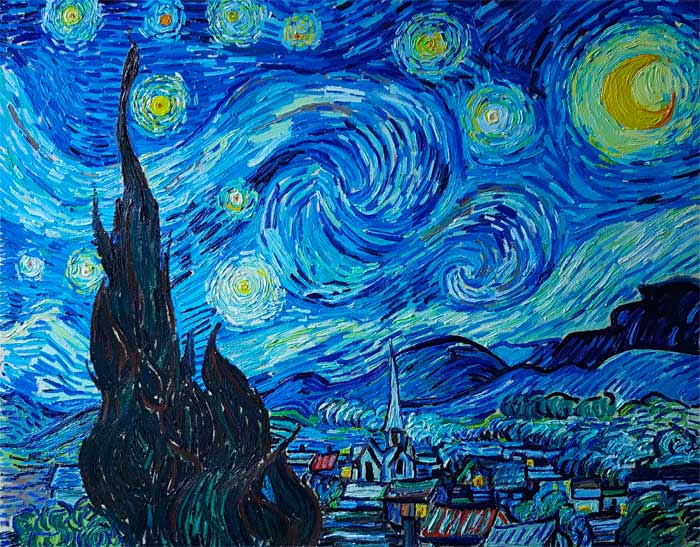
Regarding Van Gough, by the age of 15, he already had some basic art education. Later on, he gained the necessary knowledge in art schools: In 1880 he studied at the Royal Academy of Fine Arts in Brussels. He also studied painting in The Hague with the famous teacher Anton Mauve. In Antwerp, he attended the Academy of Fine Arts and took lessons in private schools.
When it comes to Gustave Doré, he received his education at Lycée Charlemagne. This school was teaching art as well, and one of his school friends became an art historian. I guess by the age of 15 he already accumulated 10,000 hours of practice, including copying the Old Masters in Louvre and multiple etchings.
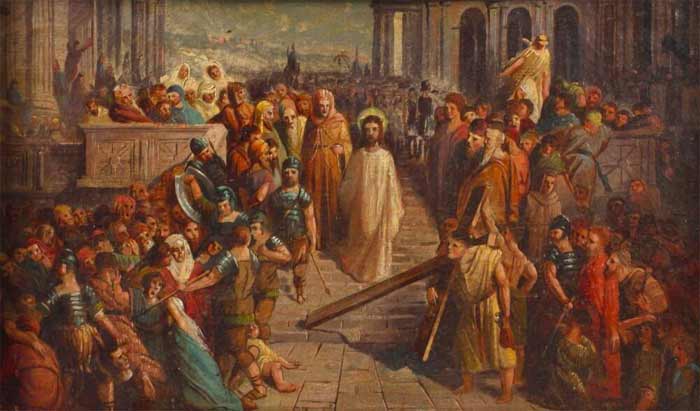
The “magic” figure of 10K would make anyone highly professional in any chosen field. By practicing copying, you will become a very proficient reproducer. This explains why Gustave Doré was not good at drawing from life. This also gives an example why “learning” art by copying photos is a dead-end road.
The history of arts does not know a single great fine artist who was completely self taught. You mentioned Leonardo da Vinci and Michelangelo. Both artists had the best possible art education at that time. Leonardo spent 11 years at the studio of Andrea del Verrocchio in Florence, who was one of the best art teachers of all time.
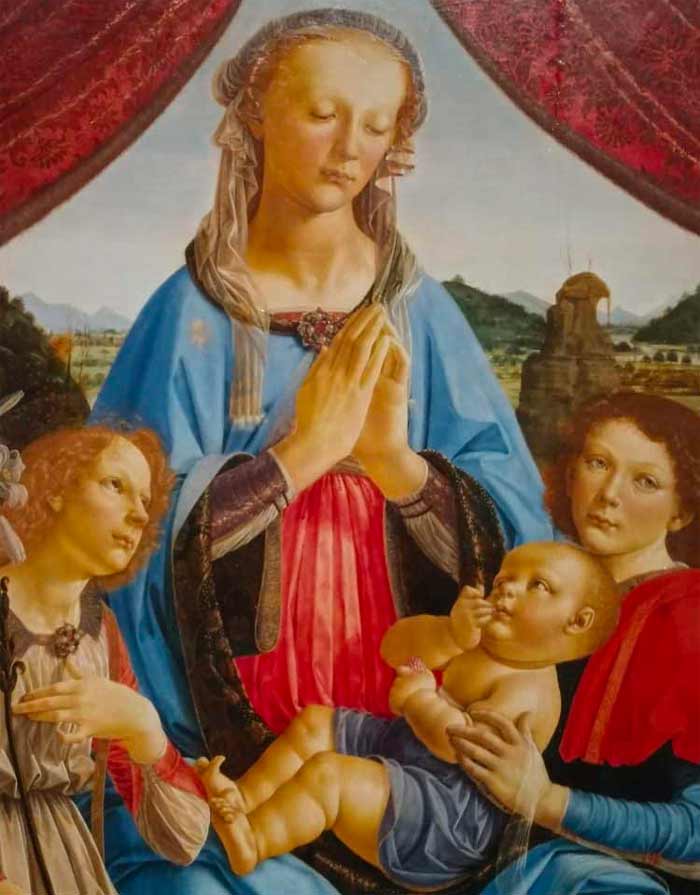
Apart from Leonardo, he taught such great artists as Botticelli, Domenico Ghirlandaio, Perugino, and Lorenzo di Credi. In turn, Michelangelo Buonarroti was apprenticed to Domenico Ghirlandaio at age 13. Ghirlandaio, a former pupil of Andrea del Verrocchio who taught Leonardo, had the largest workshop in Florence, the center of Italian Renaissance, and was a highly experienced master in fresco painting, perspective, figure drawing and portraiture. Leonardo was interested in optics; whether he used some optical devices as drawing aid tolls we don’t know. I doubt such a master would benefit in any way from copying an optical projection rather than drawing freehand. The style of his masterpieces is quite different from Vermeer, who most likely used a camera obscura or some other device.
In any case, getting strong drawing skills was an essential part of art education and I encourage Drawing Academy students to learn good drawing skills without relying on photos.
I hope this gives you a good explanation and encouragement.
Kind regards,
Vladimir London