Question from Anastasia, Drawing Academy student
Dear Vladimir,
Thank you very much for the drawing course! I have learned so much from your video lessons.
Please see my portraits below that I was doing in a life drawing class.
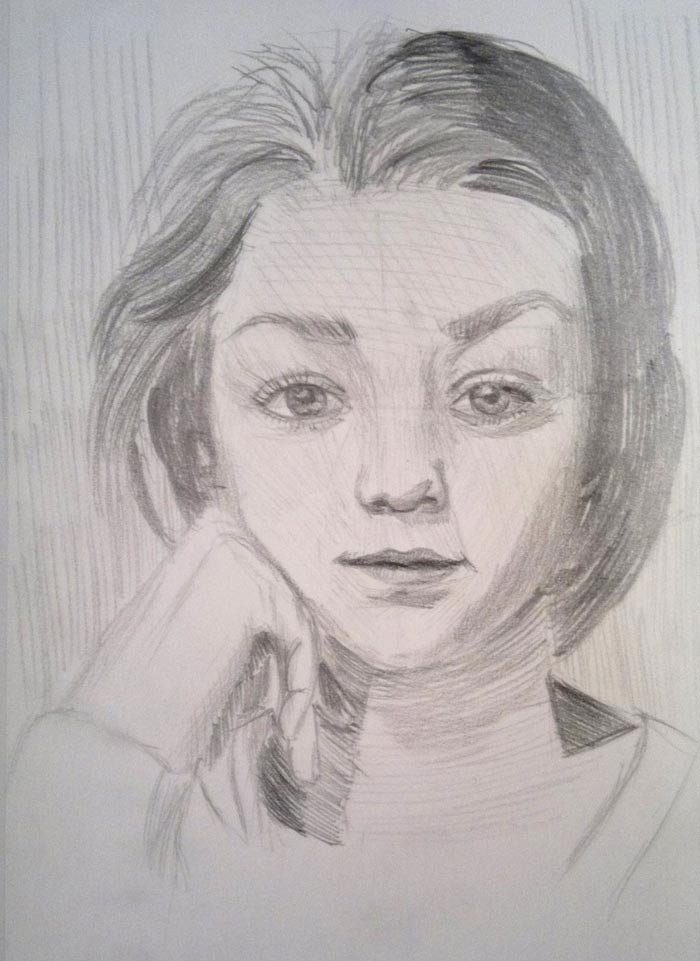
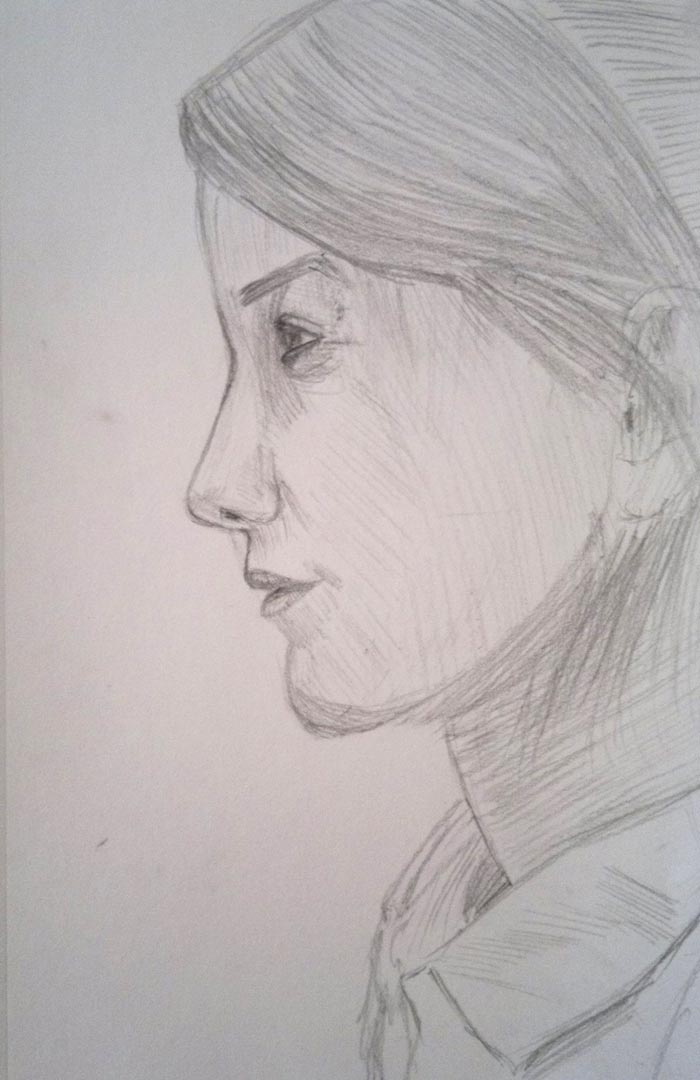
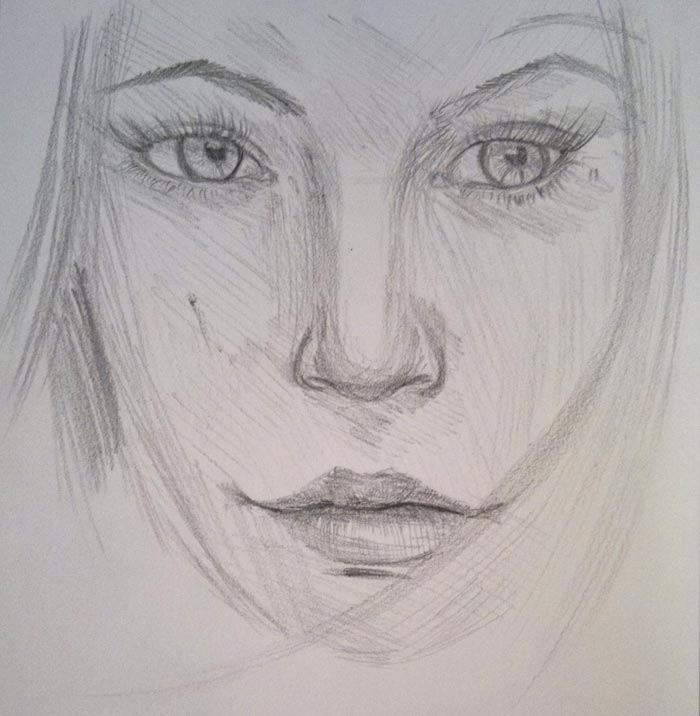
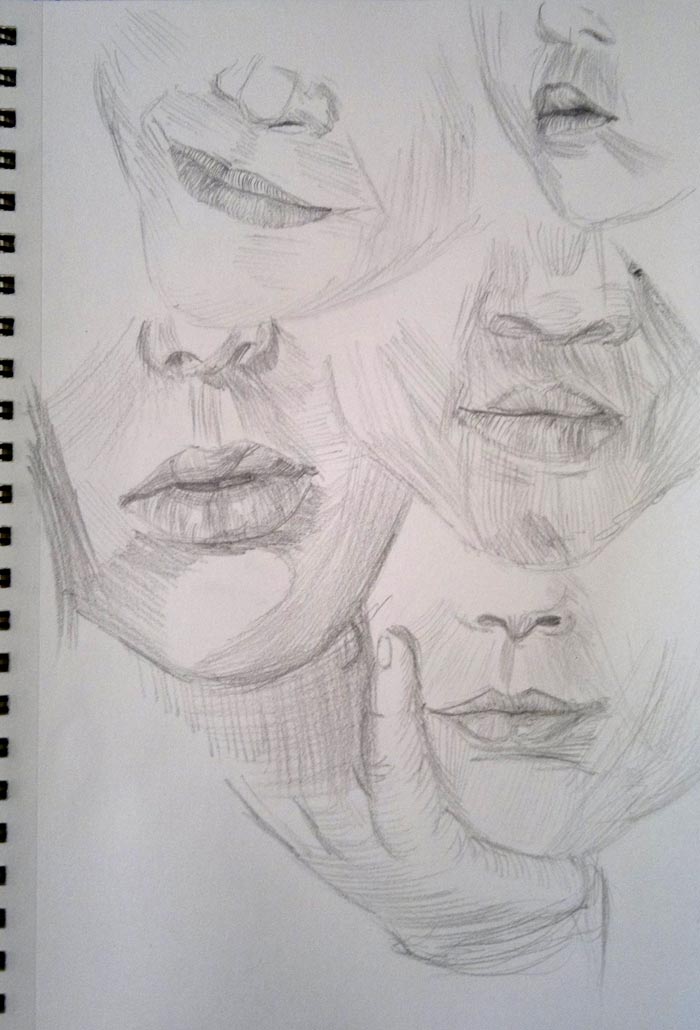
When making these sketches, I have been told by an art instructor that the line use is wrong; she insisted that it all has to be done tonally. Can you please clarify the correct way to draw sketches?
Thank you again for your support and opportunity to study!
Anastasia
Hi Anastasia,
Many thanks for your drawings and questions.
Your sketches and drawing are good. You are going in the right direction by making quick sketches and long drawings.
Keep going! Continue sketching and making longer studies. This way, you will develop different skills that are essential for a proficient fine artist – sketches will train your eyes and hand, improve your drawing speed, teach you how to capture a model in a pose, how to prioritize the most important features in a sketch, develop your visual memory and accuracy in depicting large shapes, and so on. Long studies, meanwhile, teach an analytical approach, because you can spend more time comparing shapes and proportions, analyzing tonal values, fully implementing constructive drawing techniques, and developing the necessary discipline and precision.
Linear and Tonal drawing approaches
Regarding the use of lines and tone in sketches, I know that some schools advocate tonal drawing and completely disregard drawing with lines. They say that in nature, there are no lines, but rather planes, and planes have to be portrayed by drawing their tonal values.
Both creative methods are correct; it depends on the artistic task and your personal style whether you should use lines or tone.
From the perspective of developing good drawing skills, I have to say that learning to use only tones and forgetting lines is a big mistake. Constructive drawing can only be practiced in linear drawing, and skipping this essential piece of education will undermine the art skills of a proficient artist.
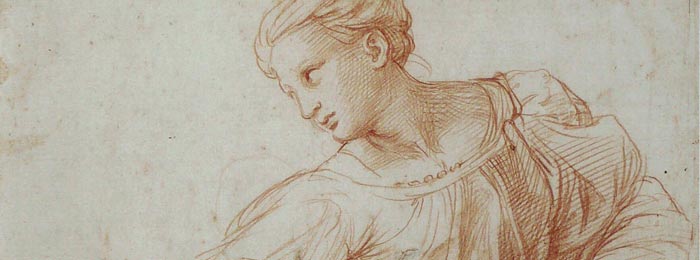
There is a reason why, in the time of the Old Masters, apprentices used silverpoint and pen and ink – quite challenging and precise techniques. This way, students learned the discipline necessary for linear drawing. It was an essential step in every Master’s career.
I’m enclosing here some drawings by the Old Masters, so you can see how skillfully they used lines.
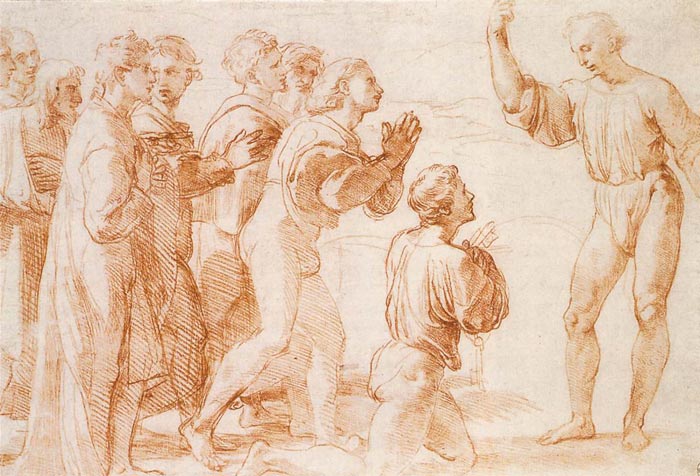
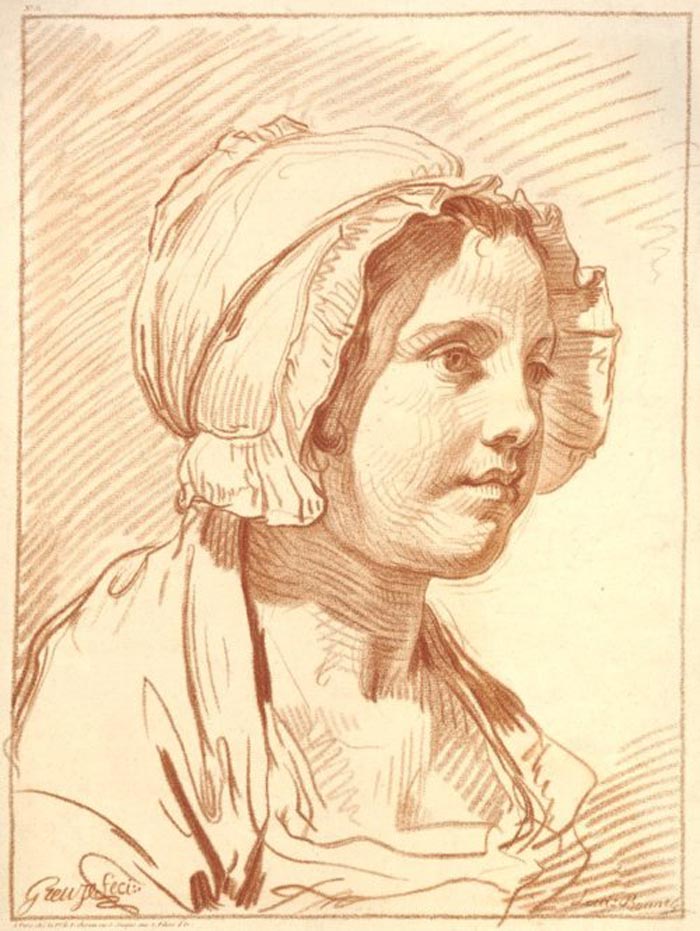
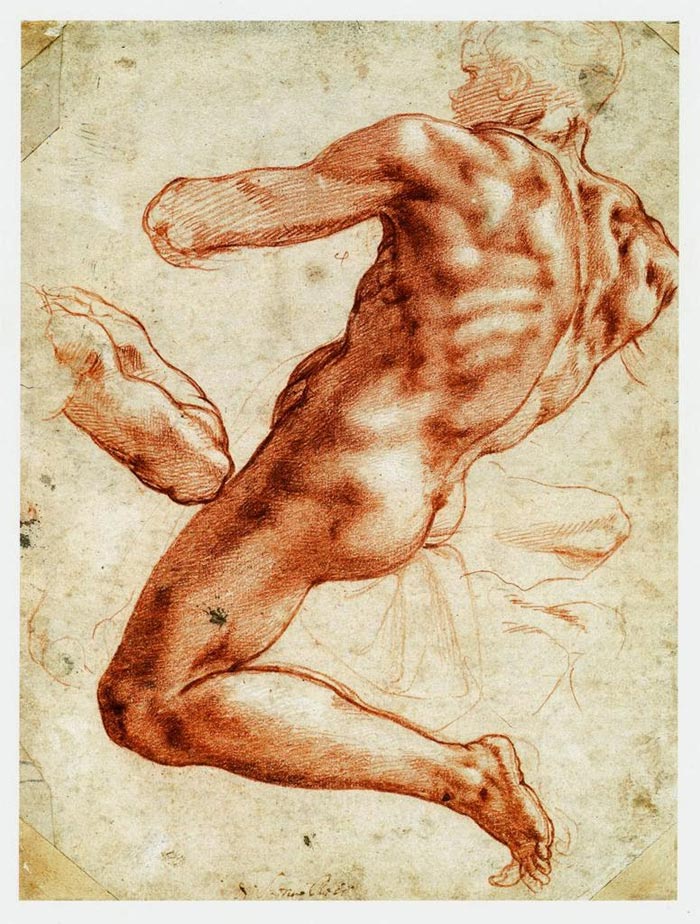
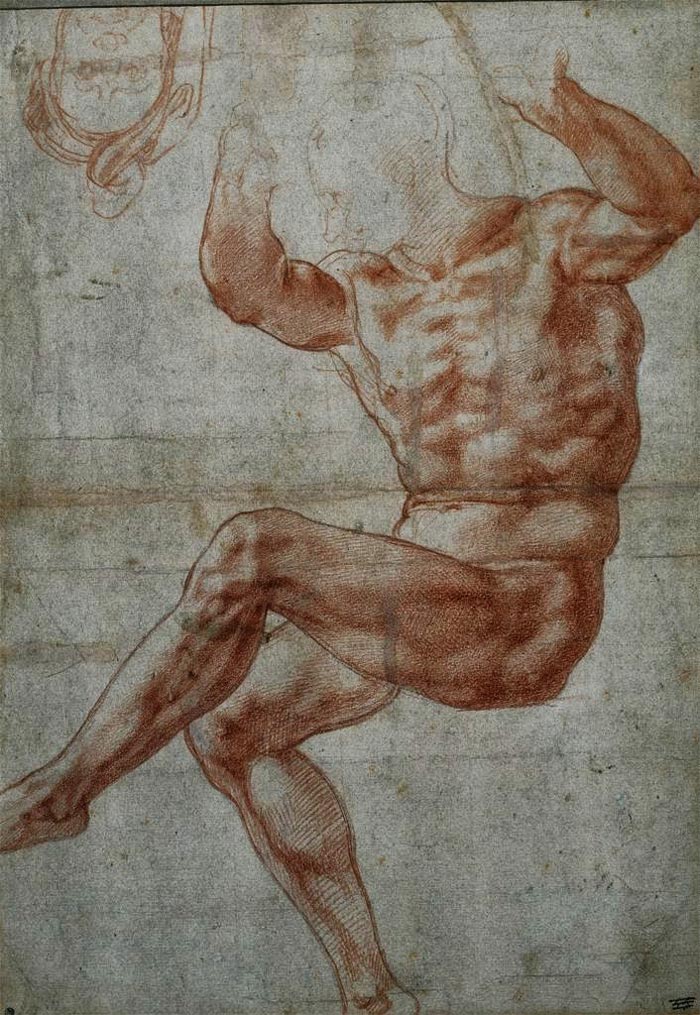
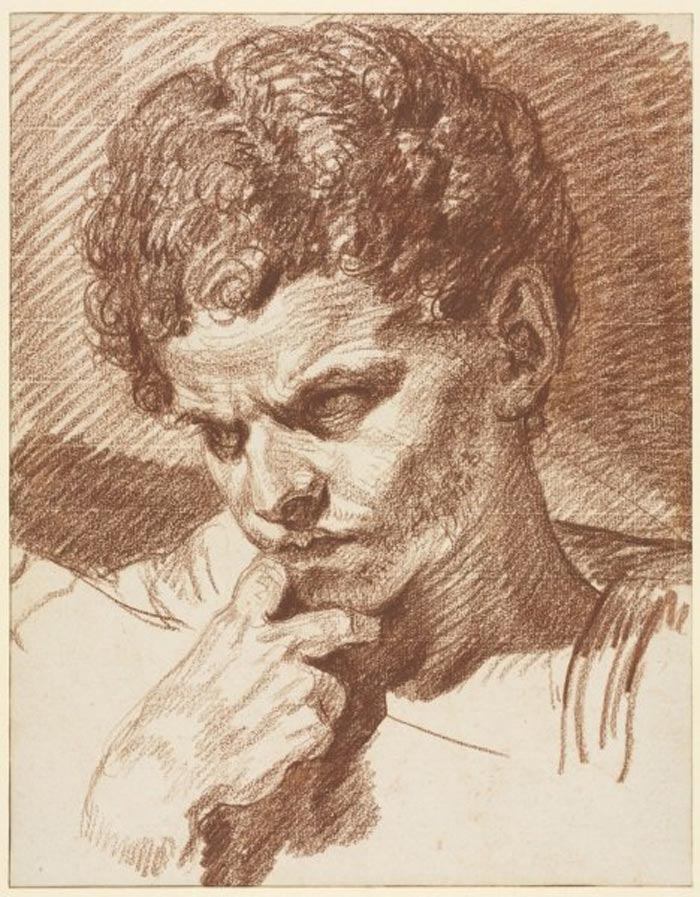
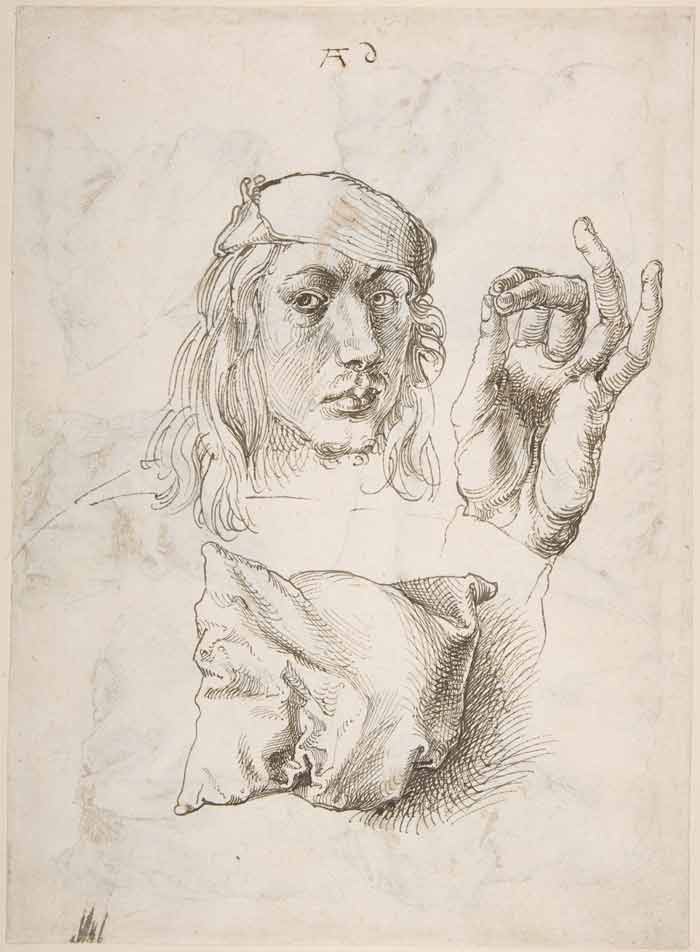
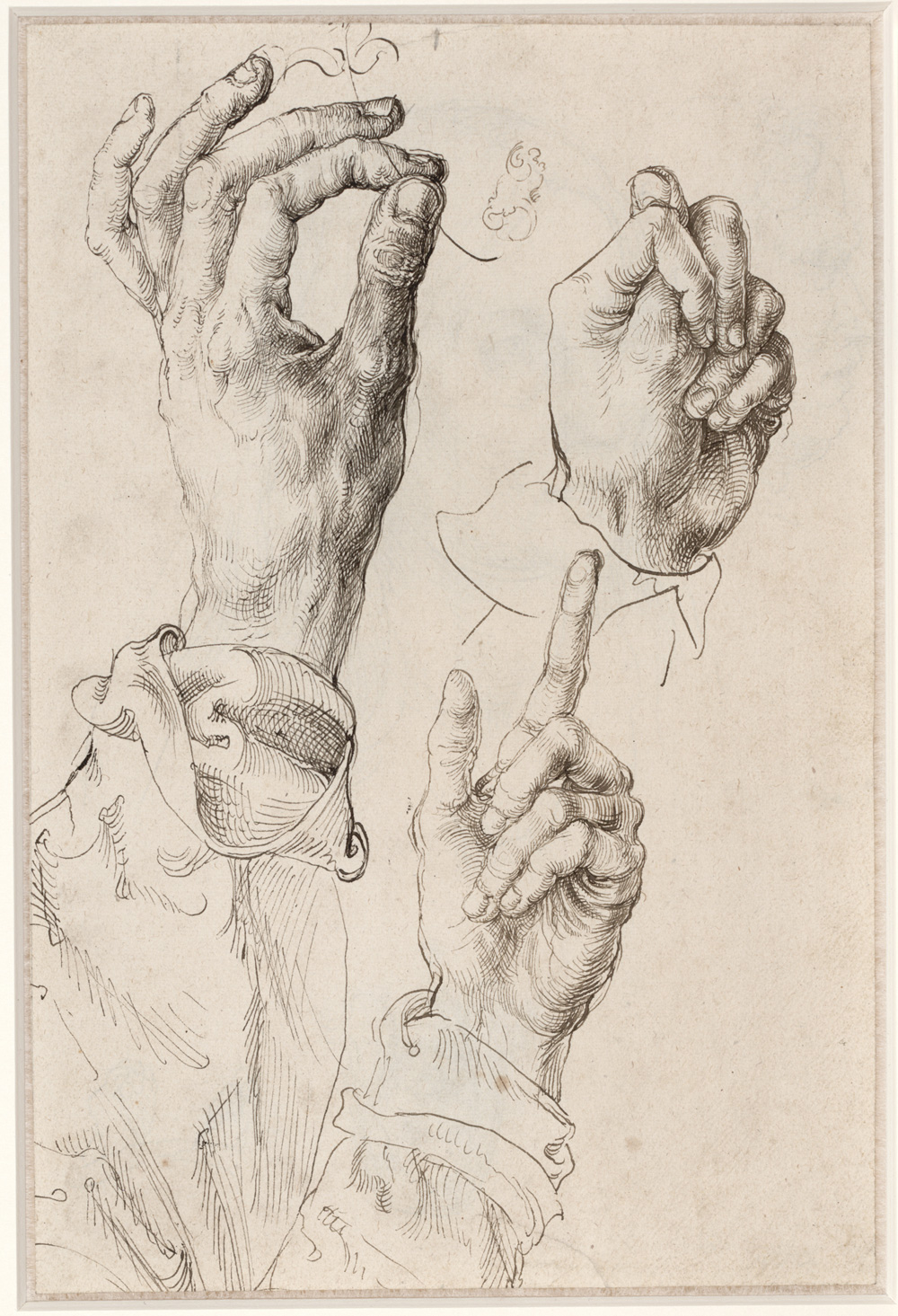
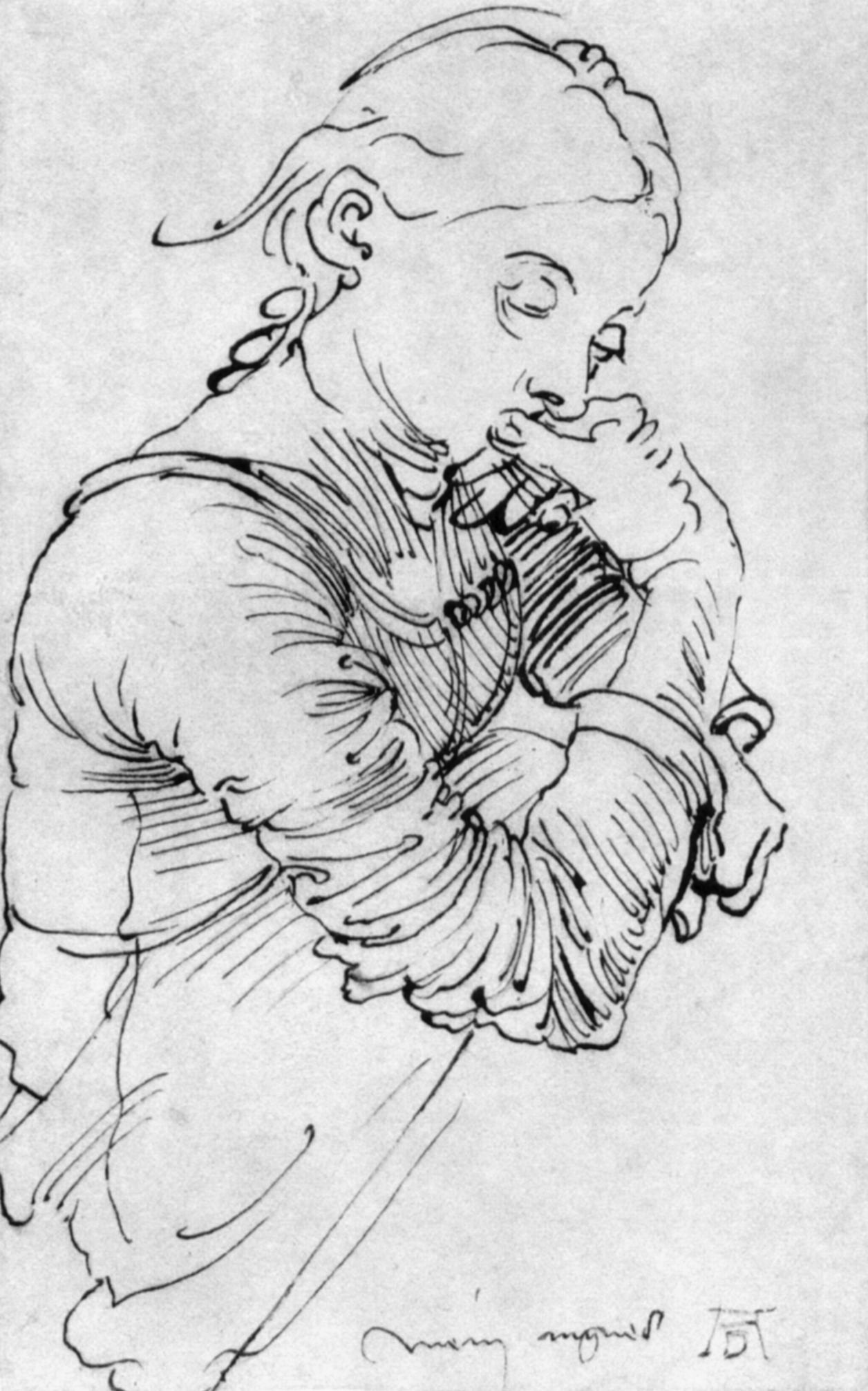
As for your argument with that lady, you need to remember that for the last 60 years, proper art education has been in decline. Generations of artists have been taught by art teachers who can’t draw and deliberately shift the teaching focus away from traditional art techniques. You don’t have to take seriously every erroneous drawing demonstration given by non-professionals.
If you want to improve your drawing skills, you need to study both approaches – linear and tonal. Start with linear constructive drawing. Practice good line drawing skills; be able to portray whatever can you see, think, or imagine with lines; and complement your abilities with skillful tonal rendering. This way, you will have the best of both methods and can decide in each case what style to use for a particular creative task.