Article by Ayyub
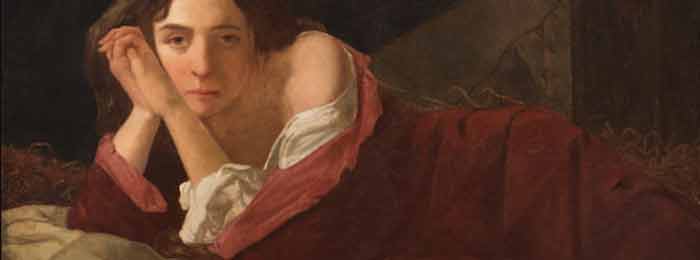
Gibran Khalil Gibran is regarded as one of the best poets of Lebanon. He is very well known for his book “The Prophet”, which is a prose poetry book that touched the souls of the world, and he is considered the most influential Mahjari poet. Even though Gibran is revered for his wise words, he used his pencil to draw his thoughts long before he wrote them down. This is the life of Gibran Khalil Gibran as a painter and an opportunity to introduce the world to his mind and art other than his poetry.
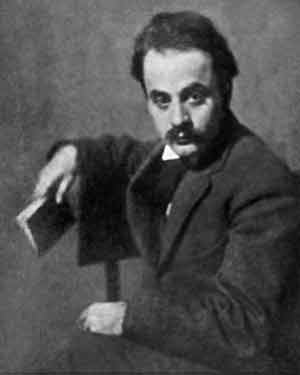
Gibran Khalil Gibran was born on January 6, 1883, in the town of Bsharri in the Mount Lebanon Mutessarifat (modern-day Lebanon) to a poor Maronite Christian family. He had his father Khalil Gibran, his mother Kamilah Rahmeh, his older half-brother Boutros, and two younger sisters, Sultana and Marianna. In his home, young Gibran would continuously draw, an activity encouraged by his mother. It was said that if he had no paper to draw, he’d draw on snow. He would also bury small scraps of paper in the soil in hopes that they’d provide abundant amounts of paper during harvest seasons. Gibran was 5 when he was put in a small school run by a Maronite priest to learn basic Arabic, Syriac, and arithmetic. He wouldn’t stay in the school for long, as in 1891 his father faced charges of misappropriating tax money and was subsequently put in jail for them. Khalil Gibran was facing financial problems due to gambling in addition to his alcohol addiction. After his release in 1894, Kamilah took her children and decided to emigrate to the United States in hopes of a better future for them on June 20, 1895, and the family settled in Boston, a town full of immigrants.
While Kamilah, Boutros, Marianna, and Sultana worked diligently to earn a living, Gibran was enrolled in the Josiah Quincy School and learnt English in a class for immigrants in that school. He was also enrolled in an art school where his talents were recognized by avant-garde artists who encouraged and pushed Gibran’s creativity in art. One of such avant-garde artists was photographer Fred Holland Day. F. Holland Day was usually around immigrant children, and Gibran was no exception, as the photographer helped Gibran become known in Bostonian circles. Despite everything, Kamilah still wanted Gibran to become one with his Lebanese heritage. Therefore, Gibran arrived at Beirut in 1898 to enroll at College de la Sagesse (literally “College of Wisdom”) to learn Arabic literature. Although he was reported to be rebellious, Gibran graduated with excellence in his studies. However, he had to quickly return in 1902 when he heard the news of Sultana contracting tuberculosis. Sultana, Boutros, and Kamilah died between 1902 and 1903, leaving Marianna, the youngest, keeping the two afloat with the money she made working in a shop.
Gibran held his very first exhibition in Day’s studio when he was around 21 years old. There he met a woman who would become his lifelong patroness and benefactress. Mary Elizabeth Haskell was an educator and principal for Miss Haskell’s School for Girls. Impressed with Gibran’s work, she gave him the opportunity to highlight his work at her school. From then on, Haskell became a financial supporter for Gibran’s work as well as his editor for English writings. Miss Haskell even introduced Gibran to two women: Charolette Teller, a writer, and Emilie Micheline, a French-language teacher. Both posed for Gibran as models for his drawings and paintings. Gibran later travelled to Paris between 1908 and 1910 with the financial help of Miss Haskell to study at Academie Julian and Ecole des Beaux-Arts. During his time in Paris, he began drawing a collection of pencil portraits that he called “The Temple of Arts”, which consisted of well-known creatives of his time as well as those whom Gibran considered his heroes. Gibran also met the master sculptor Auguste Rodin during his time at Paris and became acquainted with him.
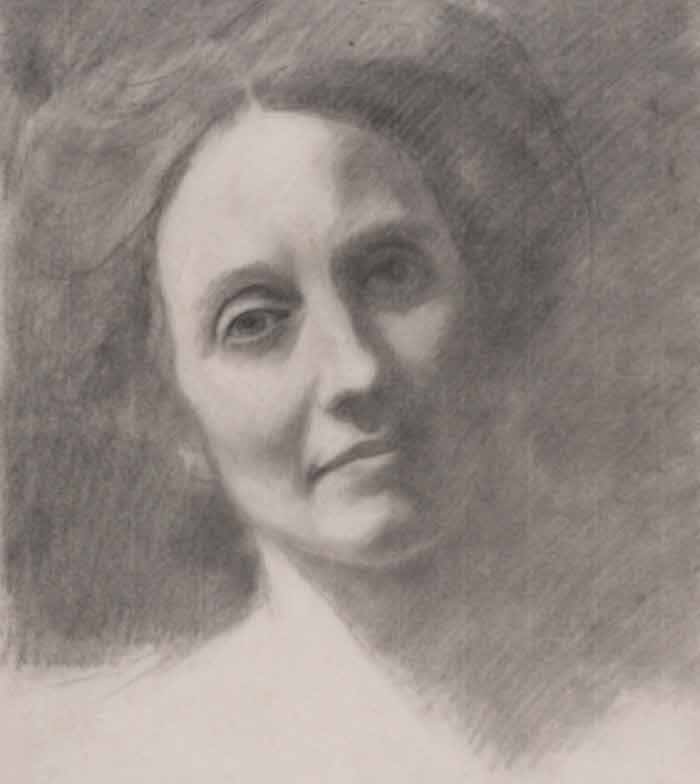
Portrait of Mary Elizabeth Haskell
After his return to the United States, Gibran’s reputation began to grow as he published his writings and exhibited more of his artworks. Almost all of his work published after 1918 was in English, such as “The Madman”, published by Alfred N. Knopf. In many of his works, he would also have his own artwork displayed with the text. His greatest, best-known piece of work is “The Prophet”. It was published in 1923, and it has been translated into more than 100 languages according to the Kahlil Gibran Collective. Unfortunately, since then, Gibran’s health began to decline.
Gibran was diagnosed with liver disease at the start of 1929, and doctors told him that he was not to work the entire year. Gibran said he had found that “more painful than illness” according to a letter and telegram he sent to another prominent Lebanese poet and his friend Mikhail Naimy. He would publish his final book “The Earth Gods” on March 14, 1931, before dying that same year on April 10. It was reported that he died from cirrhosis and that disease was caused by excessively drinking alcohol. Gibran’s body was sent to Bsharri, Lebanon, to fulfill his wish to be buried there. In 1935, the Gibran Museum was founded as a home to his 440 paintings and drawings, his furniture, notebooks, and private manuscripts. The museum is designed so that you see the 16 rooms on the three floors that lead you to Gibran’s tomb at the end. Mary Haskell then donated around one hundred pieces of art that she had by Gibran to the Telfair Museum to be displayed there in 1950.
The following images are just a small part of Gibran Khalil Gibran’s oeuvre of both paintings and drawings that were displayed in both exhibitions and his books.
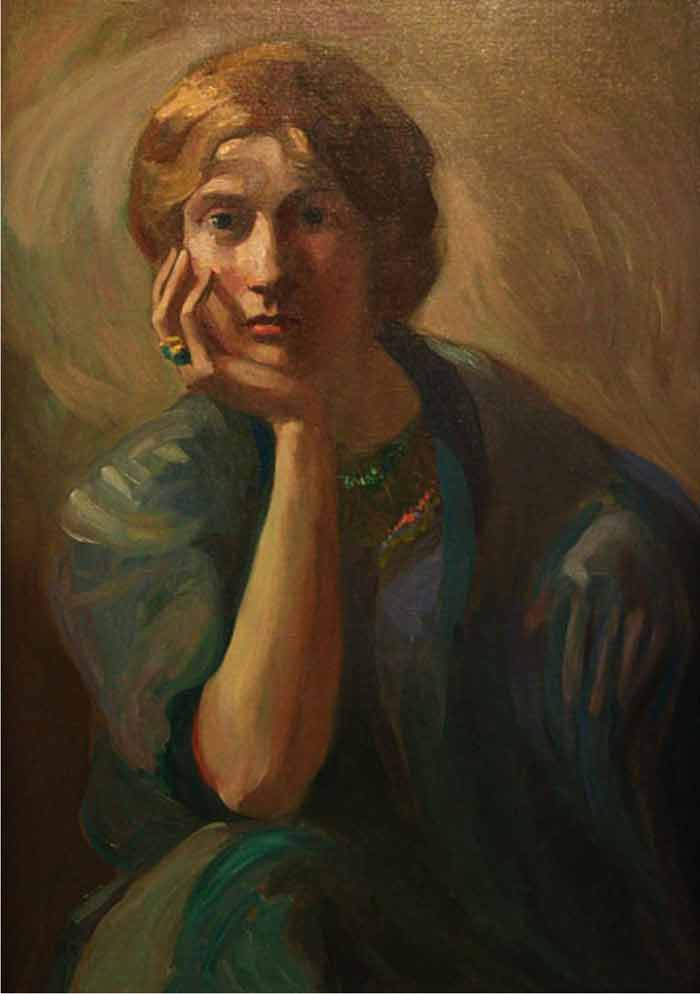
Portrait of Charlotte Teller
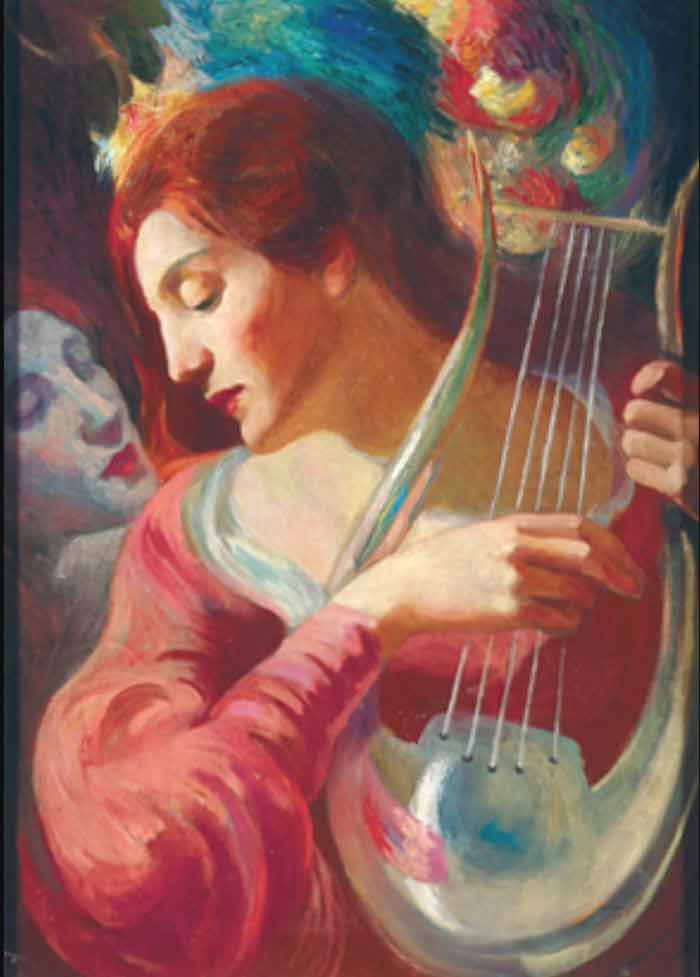
Rose Sleeves
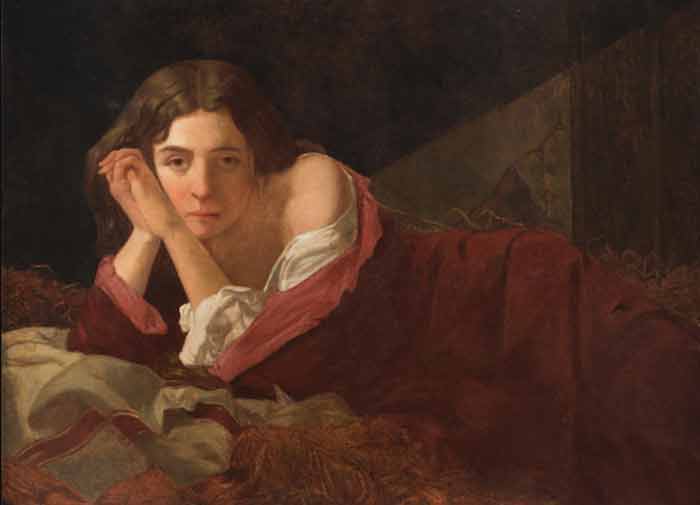
Unfinished Portrait of a Lady
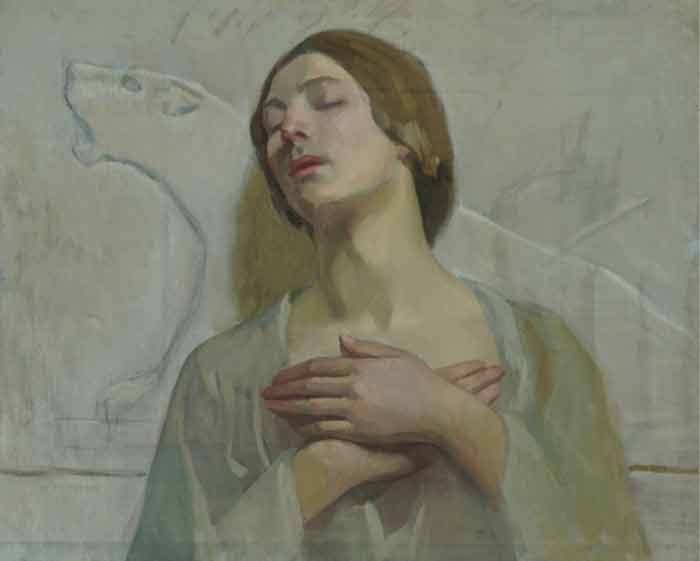
Portrait of Kamilah Rahmeh
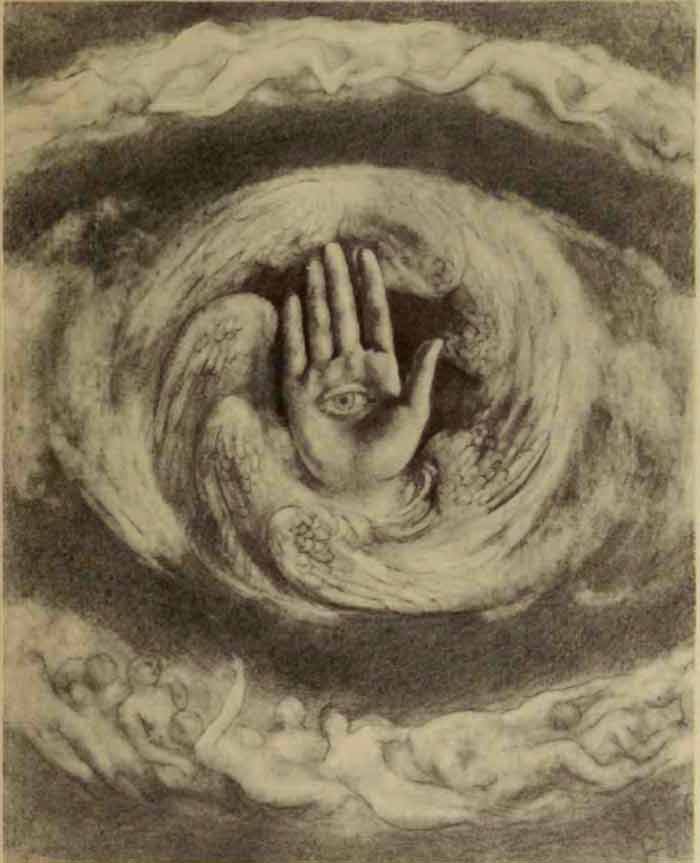
Drawing Shown in The Prophet
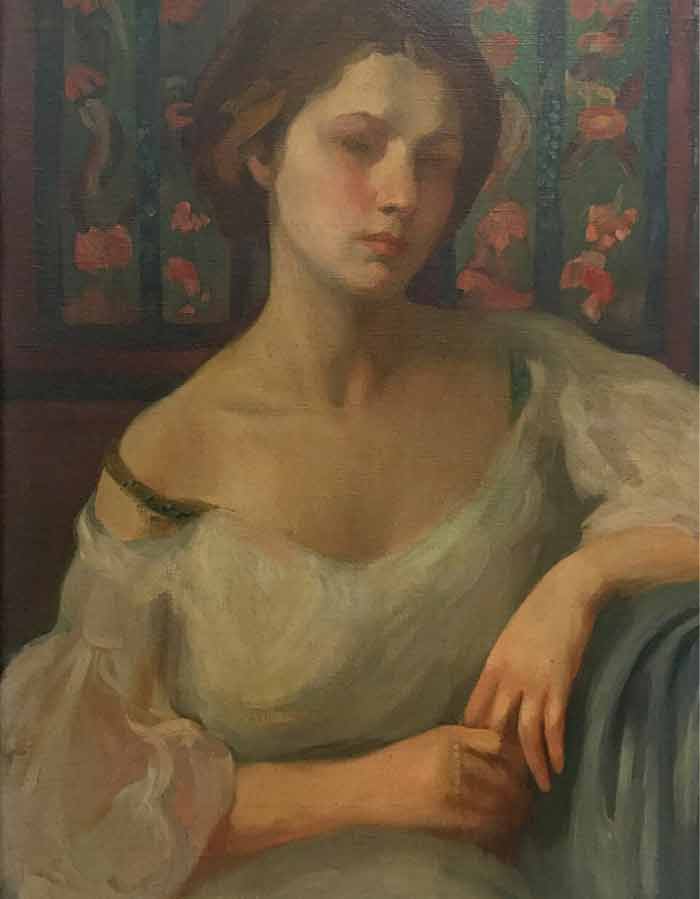
Portrait of Micheline
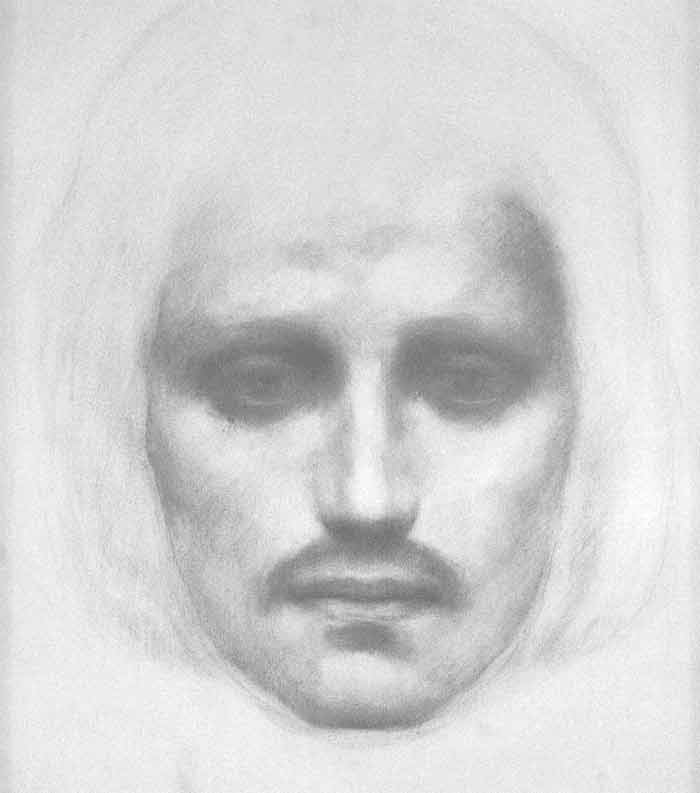
Drawing of Al Mustafa from The Prophet
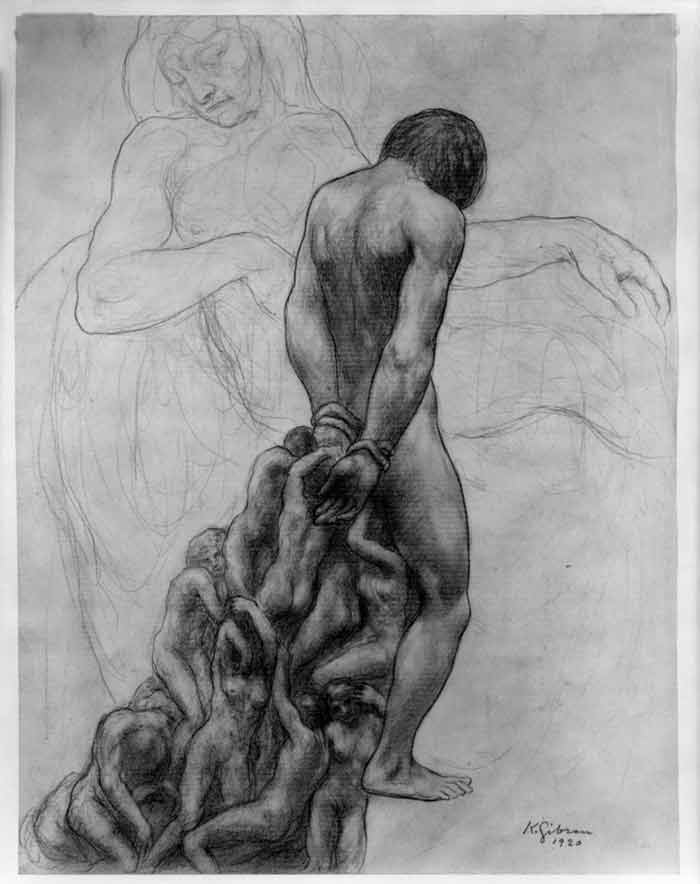
The Slave
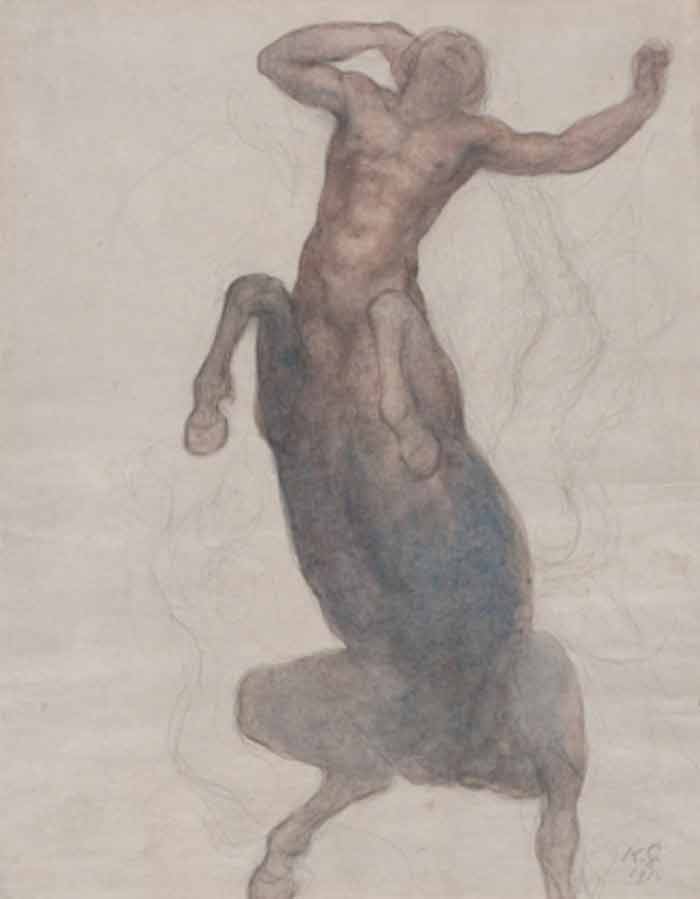
The Great Longing
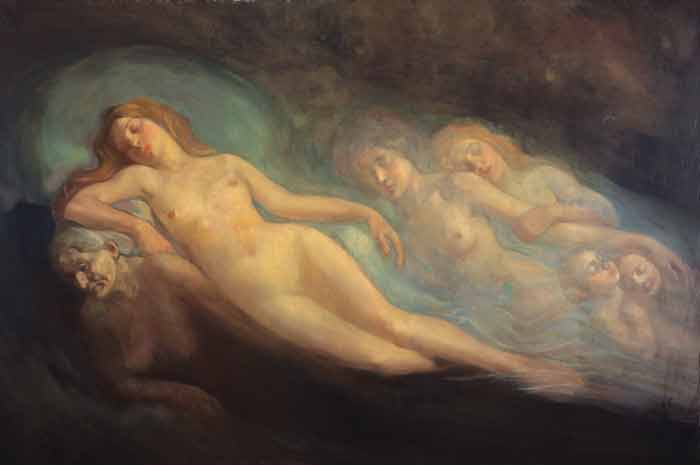
Ages of Women
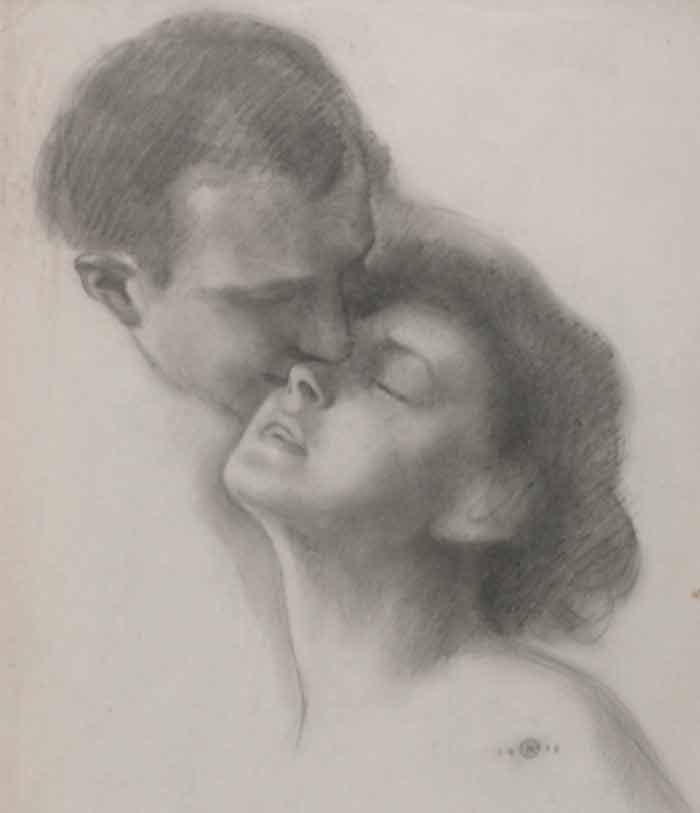
Untitled