Question from Keith Ruiters
Hi Vladimir and Natalie,
Is there more than one classical approach to drawing? Various artists online who claim to be classically trained give different versions of what it entails, hence my question. For example, some emphasize drawing in straight lines right up to the end before putting in curved lines. Others make extensive use of comparative measuring when drawing from life, something I have yet to come across in your course (as far lessons 1-15 go anyway). And while you teach that hatching and crosshatching with a graphite pencil typifies classical rendering, other classically trained artists smudge and use blending stumps, claiming that this is the classical approach. Could you please provide some clarity on this?
Thanks
Hi Keith,
Many thanks for your question.
Yes, you are correct, there are many approaches to drawing.
Drawing techniques have developed and changed over the course of history, varying across different countries or even schools.
I do not want to advocate any particular techniques nor criticize others, as every school created their rules and methods for a reason, and their teachers are most likely proud of their teaching and drawing approaches.
In the Drawing Academy, you will learn the techniques that I was taught over fifteen years of intense art education, starting from when I was nine years old. I received no-nonsense, realistic art tutoring from professional teachers and practitioners of the fine arts.
The drawing approach used here is based on classical values and principles, including:
– solid knowledge of art materials;
– constructive drawing;
– rules of perspective;
– knowledge of human anatomy;
– use of golden proportions;
– knowledge of the proportions of the human body;
– tonal rendering techniques;
– rules of composition;
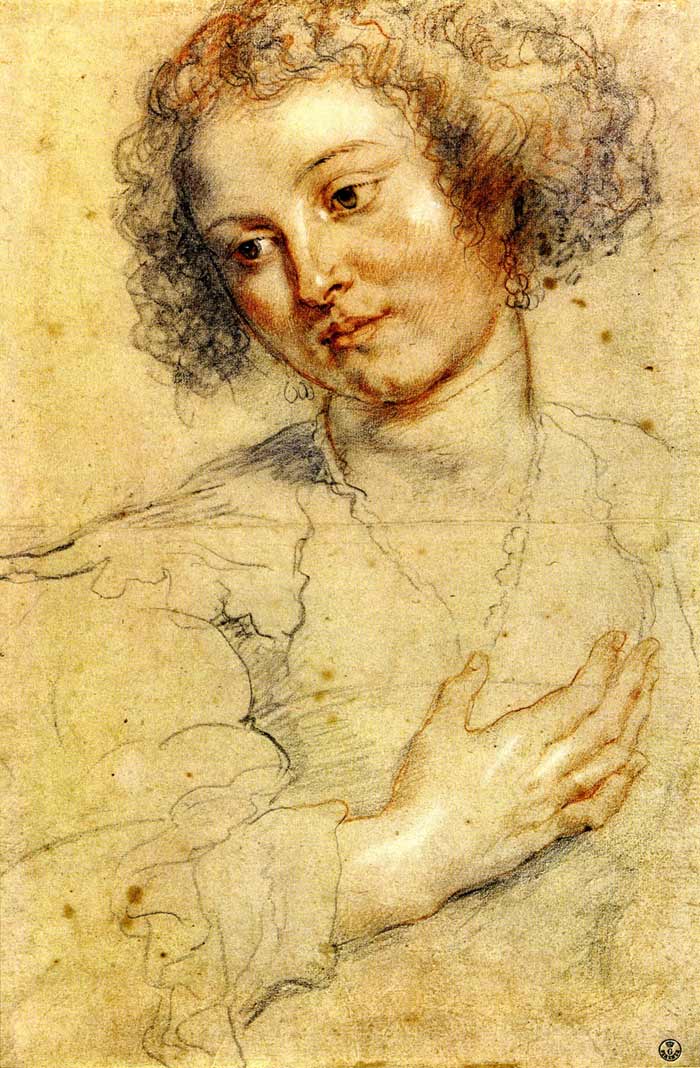
When it comes to using blending stumps, it is entirely appropriate for soft materials, like charcoal and pastel. When you blend a graphite pencil, however, it the effect is muddy and undesirable. There are self-taught amateur ‘teachers’ who advise such blending; poor guys, they need to learn the proper techniques themselves first before teaching others : )
Yes, pencil hatching can be very smooth. That was the approach in the 19th century in Russian art academies. Students would create tonal rendering with cross-hatching and then fill in all the gaps between strokes – without smudging. What a laborious task!
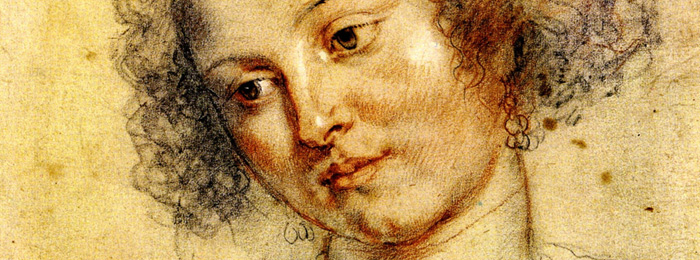
By the end of the 19th century this practice had fallen out of fashion. Recognizable and unique styles of hatching among professional artists came into favor, marking a return to the techniques preferred by the artists of the Renaissance and the Baroque.
Best regards,
Vladimir London
Drawing Academy Tutor