Article by Ayyub
Portrait miniature in England thrived during the 18th century and early 19th century and have produced the finest painters who made their works in a small scale but with remarkable detail. It is the patience and carefulness it takes to create miniature portraits that make them great gifts between royals, aristocrats, and courtiers. One of these prevalent artists was named Sarah Biffin who went through a number of challenges such as her working-class background, her social status as a woman during the Victorian era, and her disability to become a professional and proficient artist.
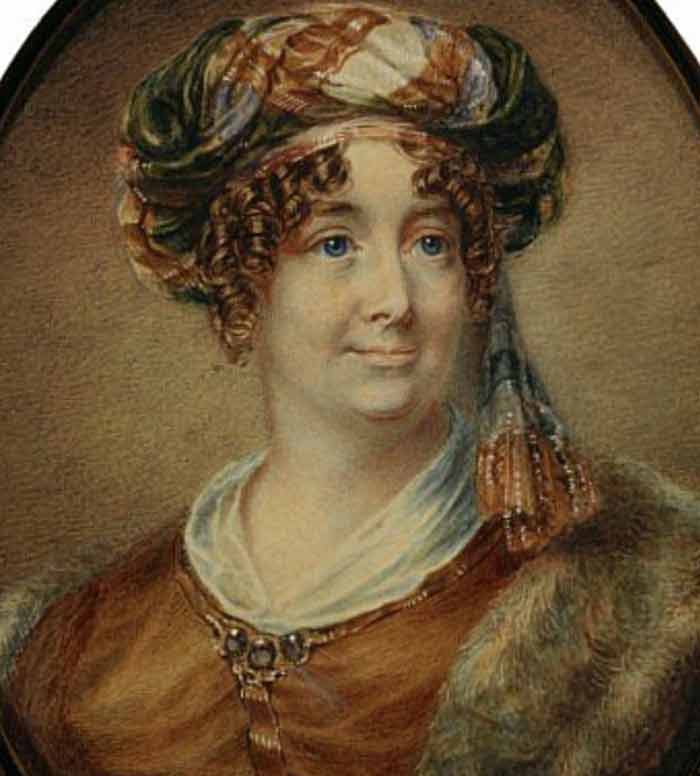
Self-Portrait (1830)
Sarah Biffin was born in the rural village of East Quantoxhead in Somerset, UK on the 25th of October 1784 to a working-class family of five children. Sarah was born with a congenital condition called phocomelia, a condition which gave her no arms and vestigial legs. As a child, Sarah never limited herself and learned to read, write, draw, and sew using her mouth to hold the tools.
When she became a teenager, she began her artistic career with the itinerant lifestyle of sideshows in Britain. She was formally apprenticed to Emmanuel Dukes, a traveling showman that exhibited her talents and taught her the rudiments of painting. Audiences would pay to watch Biffin write and paint as well as purchase examples of her writing. Sarah Biffin’s career was an intersection of her artistic exhibition and the exploitation of her “otherness” as that was the norm with most freakshows of the 19th century. Sarah Biffin also signed her paintings with the phrase “Without Hands”.
Eventually, in 1808, her skills were recognized by a courtier named George Douglas, the Earl of Morton, who attended Biffin’s exhibitions multiple times. At first, the courtier wasn’t entirely convinced and made Biffin prove that she could paint a portrait without any aid. When he realized Biffin’s skills, he became her patron and sponsored her studies with the experienced artist William Marshall Craig, where she learned to paint miniature portraits.
Sarah Biffin then stopped working for Duke when she turned 33 years old and opened her studio in the capital city London with the help of her patron Morton. Biffin decided it was time to work diligently as a professional portrait artist and began to get commissions from kings such as King George III, King William IV, Queen Victoria and multiple other royal courtiers. Biffin also painted multiple self-portraits which was critical to display how she viewed herself and how she wanted others to view her: an accomplished portrait artist surrounded by her skills of trade and eager to accomplish more. Biffin also went on to teach miniature painting to mainly female students as well as exhibiting her work in the prestigious Royal Academy of Arts between the 1820s and early 1830s.
In 1824, Sarah Biffin would marry a banker’s clerk who had been attached to her for a long time before marriage according to reports at that time named William Stephen Wright. Unfortunately, the marriage didn’t last long, and they later separated with Mr. Wright giving Biffin an allowance of £40 per year. (around £4,081 today) Despite their separation Biffin would continue to exhibit under her married name “Mrs. E. M. Wright” before switching back “Miss Biffin” at the age of 56.
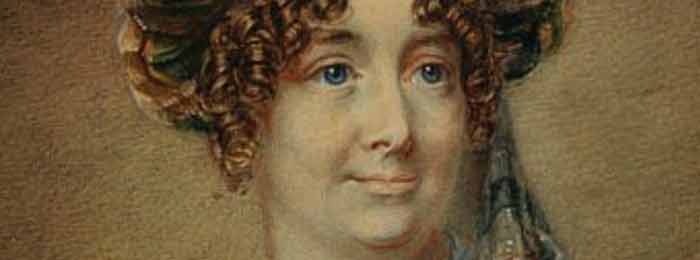
One of the most detailed and immaculate pieces of hers, in my opinion, is her careful study of feathers. They just feel so light and fluffy to the point it’s almost impossible to believe that it is just a drawing. It’s as if a light breeze would send the feathers flying away. There is also a beautifully done portrait of an unknown lady wearing a white dress and gold jewelry which also grasped my full attention. Her personality is playful and delicate, and Sarah Biffin captures that perfectly in my opinion.
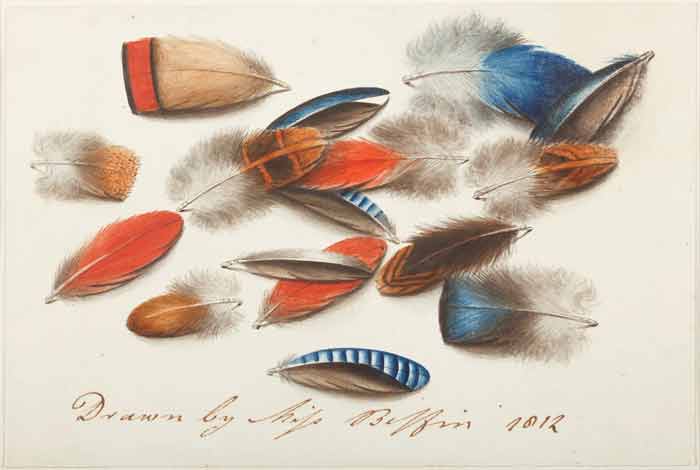
A Study of Feathers
Sarah Biffin’s financial situation became more difficult after the death of her patron in 1827. She eventually moved to Liverpool in order to pursue her dream of travelling to America, and she became friends with well-known Liverpool philanthropists such as the Rathbone family willing to help her due to her recent poor eyesight and a general decrease in commissions. Life, as always, took its toll, and Biffin passed away in 1850 at the age of 66, leaving a legacy for portrait miniature before its end times.
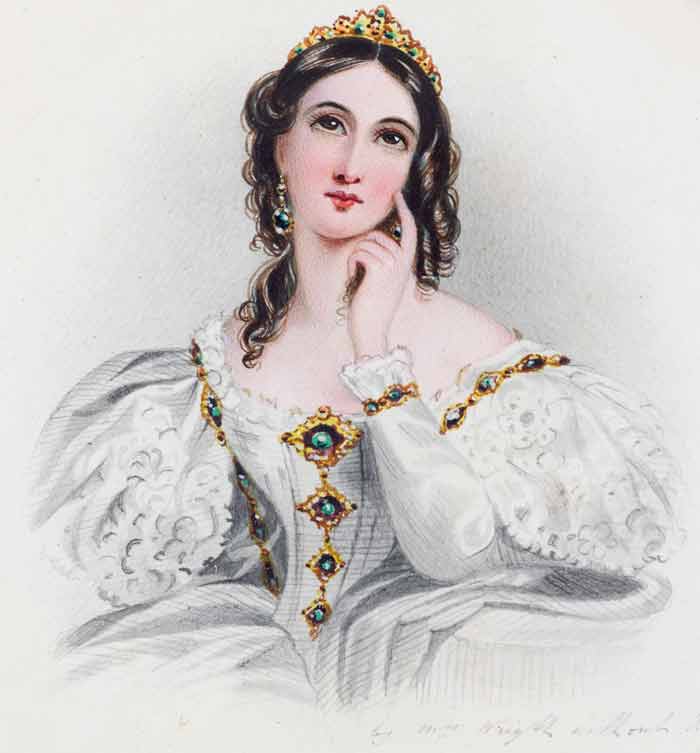
Portrait of a Lady in a White Dress